"We're not good in front of a camera." "We hate having our photo taken." "We'll just stand there awkwardly." If that sounds like you, you're far from alone, and it's a perfectly good starting point.
Here's how I photograph proposals, elopements and anniversaries when the people in front of the lens would rather be anywhere else, and why I think you'll be surprised by how little posing there is.
Not Everyone Is a Natural, and That's Fine
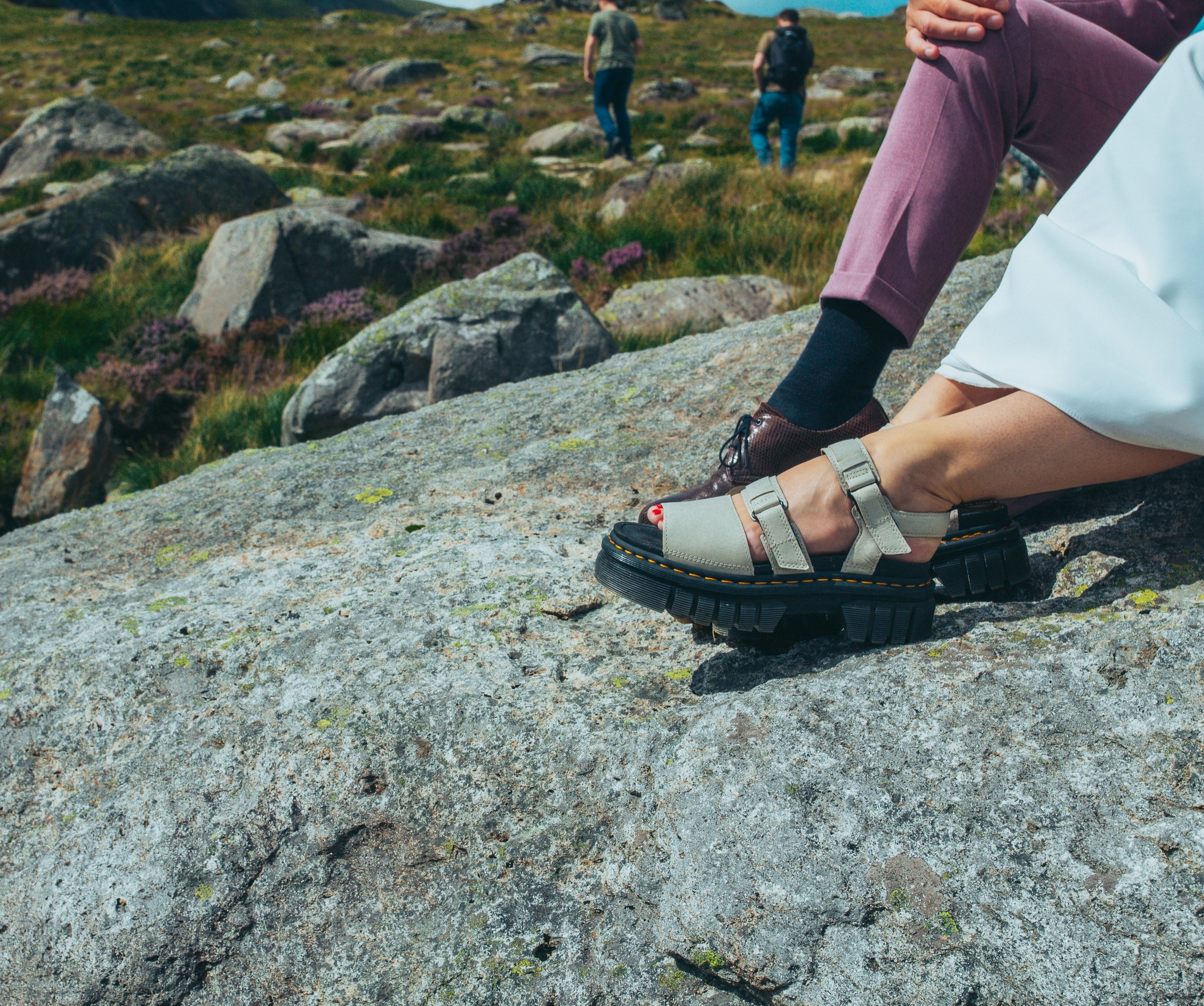
Posing on command isn't a skill most people have, and nor should it be. If you're stiff when someone tells you to "look natural", that doesn't make you bad at photographs. It means the photographs were asked to do the wrong job.
What I'm trying to capture isn't a pose. It's you being you: how you hold each other's hand, how you laugh at each other, the way one of you straightens the other's collar without noticing.
Documentary Style, With Gentle Direction
My approach blends documentary-style storytelling with a little gentle direction. Most of what I capture isn't posed at all, with me staying out of your way while you get on with your day. There are moments where a small nudge helps, something like "stand a little closer" or "take a breath and look out at the view", and I'll give those quietly and only when they're needed.
I aim for bright, natural photographs with true colours and the occasional black and white image, in a style that's yours rather than mine.
Photographs Taken While You're Busy
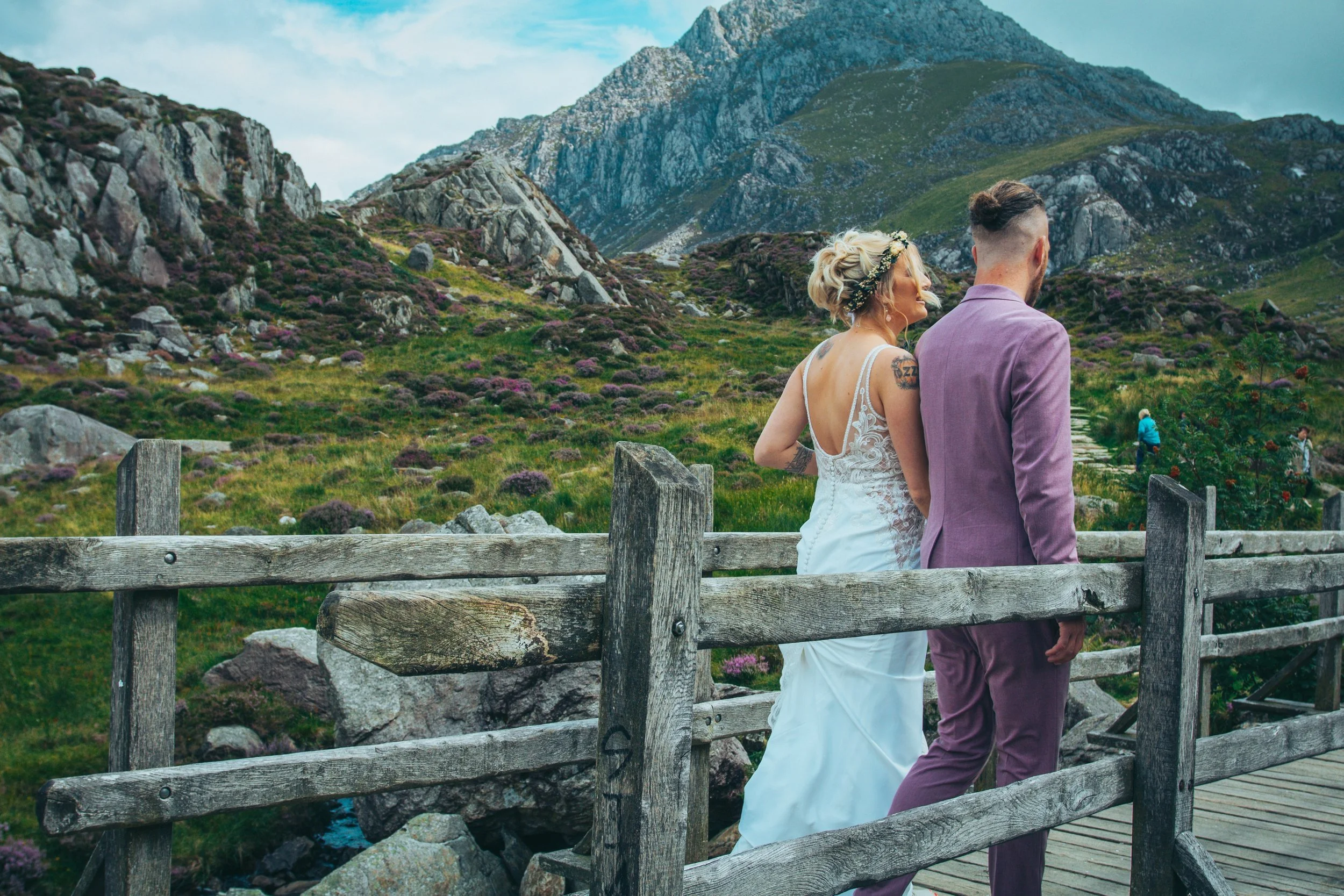
The best candid photographs happen when you're doing something. On the morning of an elopement, I arrive and start photographing as you get ready: straightening a tie, tying laces, sorting out a bouquet. You won't need to do anything differently, and by the time we leave, the camera has stopped being the centre of attention.
I have more on how a day opens in the first meet, where the camera sits out of the way while the two of you see each other for the first time.
A Companion, Not Just a Photographer
Because I'm also your celebrant, you'll have got to know me before the camera comes out. We'll have talked through your love story, your plans and what you'd like captured, so I'm not a stranger giving orders. I'm the person who's been writing your ceremony with you, and that changes how people stand, how they smile and how much they relax.
I also take my time. Pauses make beautiful photographs: sitting on a bench, standing still to take in the scenery, letting the moment sink in. Nobody needs to fill the silence.
Knowing When to Press the Button
I know when the moments in your day are going to happen, because I've helped to shape them. I know when a ceremony reading is about to land, when you're about to laugh and when it's time to pick up my camera for the kiss. That means I can stay quiet and watch, rather than interrupting you with requests while the moment is happening.
If You'd Like a Few Posed Pictures
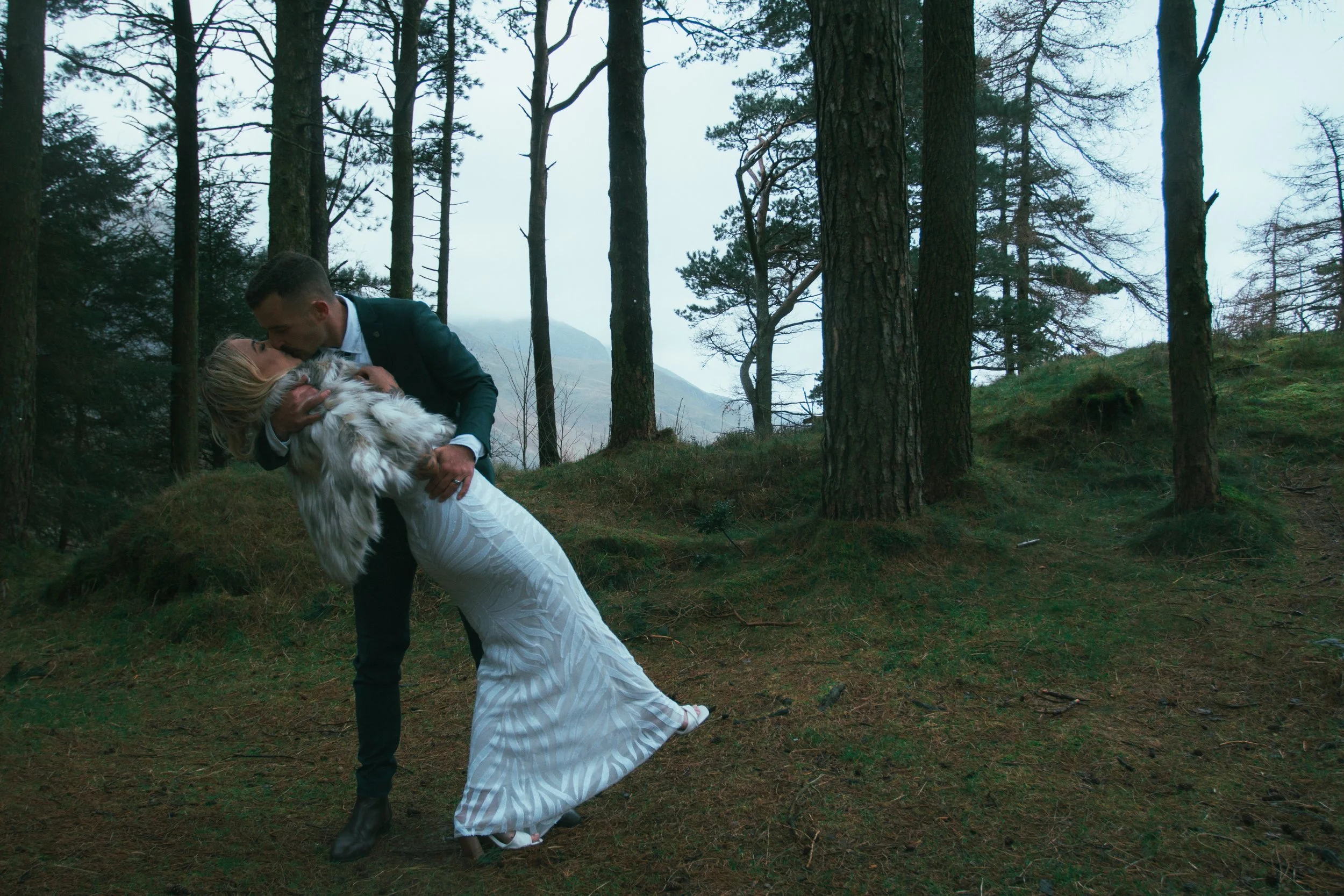
Candid doesn't mean you can't have a few styled shots. Plenty of couples like one or two portraits they can frame, and that's easy to include. When I photographed Penny and James's elopement in Llanberis, it was lots of natural photos and a few poses, and the balance is something we can agree beforehand. If there's a pose you hate, tell me and we'll skip it.
How It Looks on Each Experience
At a guided proposal, my camera rests at my waist while I read your love letter, and it only comes up for the question, the "yes" and everything that follows. At an elopement, the photographs follow the day from the first meet and the journey through the ceremony to the quiet moments afterwards. At an anniversary sunset, you can choose a fully candid shoot or a mixed one with a few styled poses, and we'll agree which beforehand.
Tiny Details That Help
Wear something you feel like yourself in and are comfortable moving about in.
Bring a drink or a snack for the walk and enjoy it.
Talk to each other, not to the camera. Say something that makes your partner laugh.
Ignore me. Seriously.
What You Get Back
Photographs are captured in 50mp quality, so your colours and details look true to life, and they go straight into your Love Story Album, online and printed. You can see the style for yourself on my imagery page and in real love stories. At the end of an experience, you'll also hold Polaroids that have developed in your hands, which are the opposite of a posed shot: spontaneous, imperfect and yours.
If you'd like to talk about what you're nervous about, start planning your experience and put it in the first message. I'd far rather know than have you worry on your own.
You don't have to be a model to look like yourselves in love, and the best photograph of the two of you will probably be the one taken when you'd forgotten I was there.