If you've been following the news about weddings law, you may have spotted that England and Wales are looking at what the government describes as the most significant reform of weddings law in over two centuries. It affects everyone I work with, from proposals to elopements, so here's a plain English summary of what's being proposed and, just as importantly, what hasn't changed yet.
I'm a celebrant and photographer, not a lawyer, so everything below comes from official sources. I've linked them throughout so you can read the detail yourself.
Why the Government Says It's Time
The consultation document describes the current system as complicated, inconsistent and sometimes unfair, treating different groups in different ways. It points out that couples who want a non-religious belief ceremony, such as a Humanist wedding, can't have a legally binding one at all, and that some couples end up paying for two ceremonies, one legal and one personal.
Cost is part of the picture too. The document says the average wedding costs over £20,000, and that the number of marriages has fallen by a quarter in the last 30 years. The Law Commission predicted that reform could lift the number of weddings by around 3%. Those are the government's arguments, and you can read them in full on GOV.UK.
What Is Being Proposed
In July 2026 the Ministry of Justice published a consultation called Tying the Knot: Reforming weddings law in England and Wales. It ran from 16 July to 24 September 2026 and has now closed. It builds on the Law Commission's 2022 report, Celebrating Marriage: A New Weddings Law, which found the current law "inconsistent and complicated, inefficient, unfair and needlessly restrictive".
The framework dates back to the 18th and 19th centuries. The two big ideas behind the reform are a move from regulating the building where a wedding takes place to regulating the officiant who conducts it, and a single set of rules for most types of wedding.
Where You Could Marry
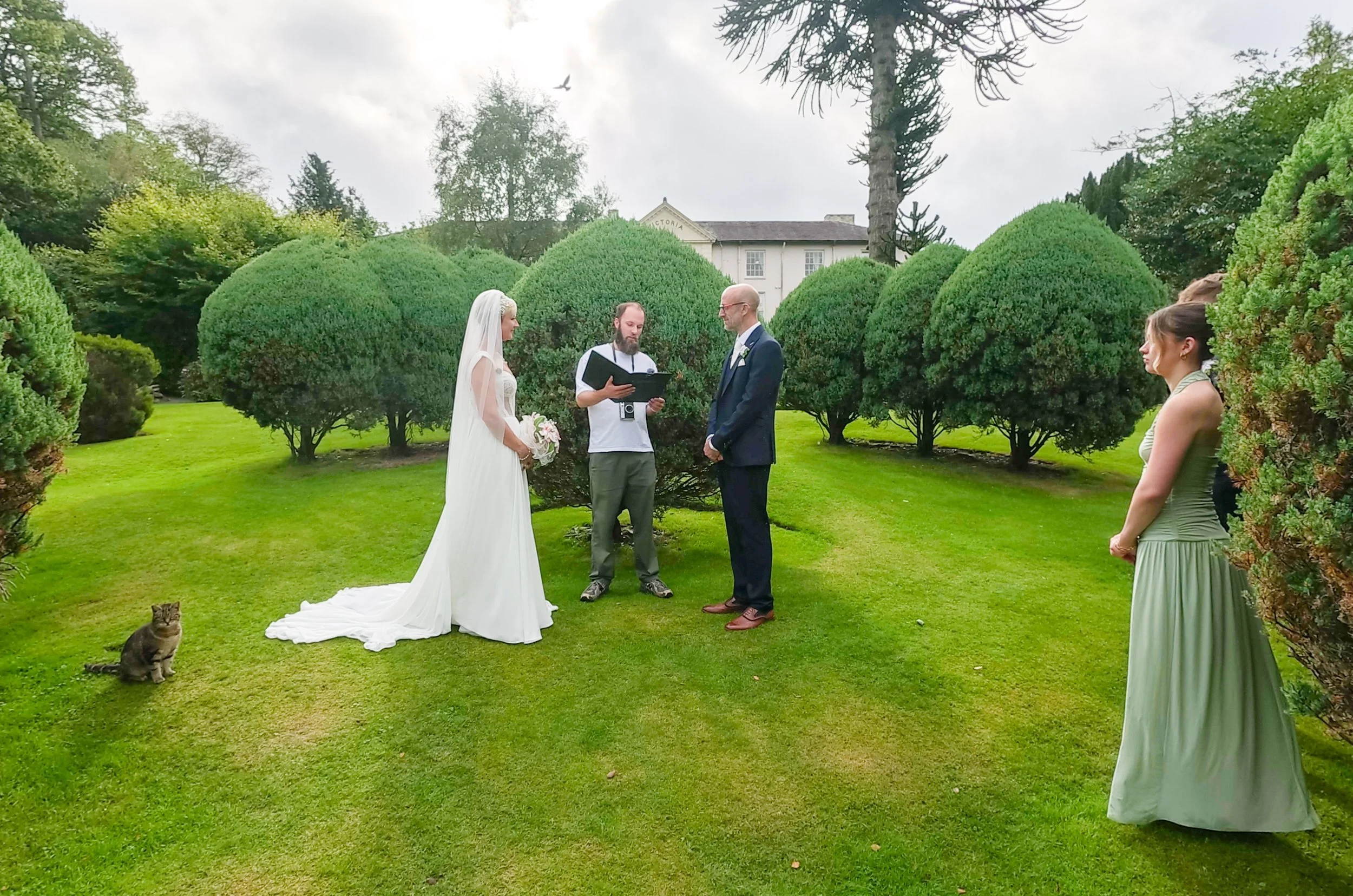
Under today's law, civil weddings must take place in a register office or at approved premises, which since 2021 includes approved outdoor areas. The consultation asks about removing those fixed limits. The government says there is no principled reason for weddings to be confined to a limited category of approved buildings when a ceremony could take place safely and with dignity in settings such as a beach, a forest or a family garden.
It also asks about weddings in private homes, about venues applying for optional pre-authorisation, and about weddings on inland waters, territorial seas and UK-registered cruise ships.
Who Could Conduct a Wedding
The government has taken the initial view that independent officiants should be allowed to conduct legally binding weddings, alongside registrars and officiants from religious and non-religious belief organisations. Non-religious belief organisations such as Humanists, which can't currently conduct legally binding weddings, would also be able to nominate officiants under the proposals.
The consultation also looks at how officiants would be regulated, including a "fit and proper" test, training and oversight by a regulator. Nothing has been finalised, so it's too early to say what the rules would look like.
What Would Change About Giving Notice
Today, couples must give notice at least 29 days before the ceremony. The consultation proposes a two-stage process: giving notice online, followed by an in-person interview with a registrar, focused on making sure the marriage is freely entered into. Notices would be published online, with exemptions where publication could put someone at risk.
Your Words on the Day
For civil weddings, the government proposes keeping a short, standard form of words, such as "I [name] accept you [name] as my [husband / wife / spouse]", but allowing "words to the same effect". That would let couples say them in another language, such as Cornish, or adapt them for a disability or medical condition. The consultation also suggests a "dignity framework" to help officiants decide whether a location and ceremony are appropriate.
What Hasn't Changed
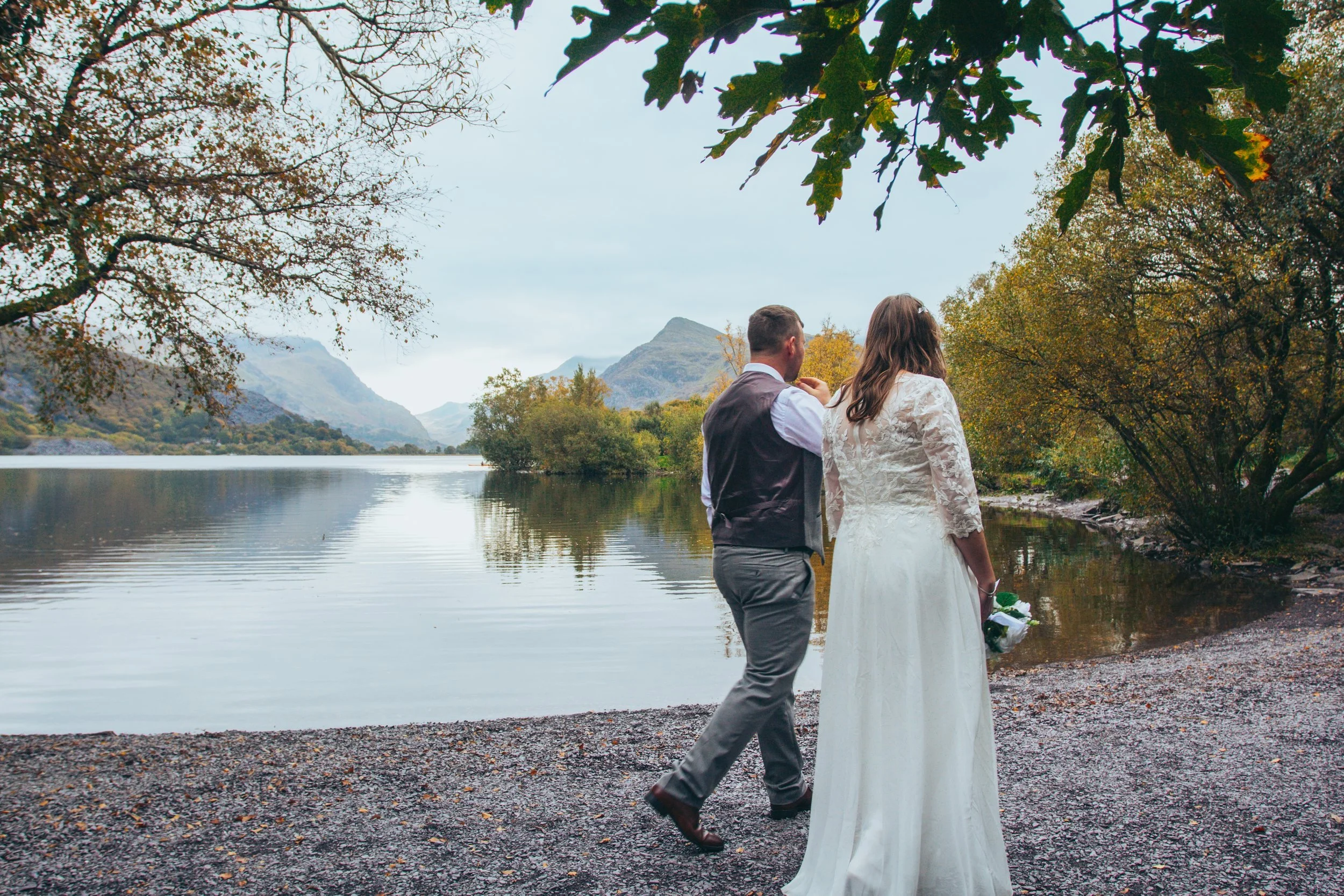
This is the part that matters if you're planning now. The consultation has closed, but the government says it will consider the responses before finalising policy and bring forward legislation when parliamentary time allows. Until that happens, today's law applies.
In practice, that means a celebrant-led ceremony on its own is not yet legally binding in England and Wales. The legal part is done separately, usually with a short register office ceremony after giving notice. If you're planning an elopement, my guide on whether eloping is legal in Wales on Elope with Leon explains how the two fit together, and GOV.UK explains how to give notice.
What It Could Mean for Couples
If the proposals become law, couples should have more freedom over where they marry and who conducts the ceremony. That could mean a legal wedding and a personal ceremony becoming one and the same. But there's a long road between a consultation and an Act of Parliament, and the details could change.
My advice is simple: plan the day you want, check the legal steps with your register office, and don't wait for a law that may take years. Whatever happens, the part I care about stays the same: your words, written from scratch, and your story told properly.
Where to Go From Here
If you're still deciding what kind of ceremony you'd like, my About page explains how I work, and plan your experience shows you how to start. If you're comparing celebrants, the questions to ask before booking are a good place to begin.
I'll update this post when the government publishes the outcome of the consultation.